scpmkj@gmail.com
Get A Free Quote


 share
share
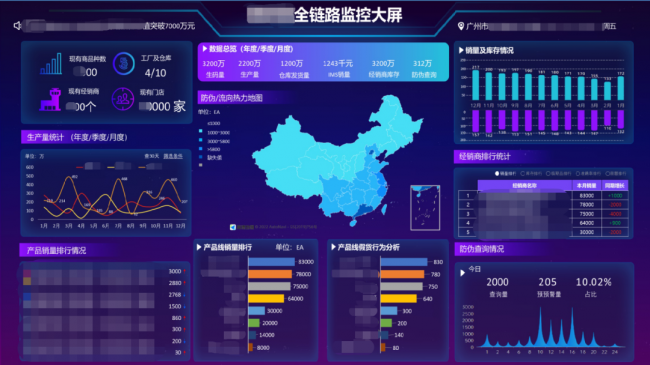
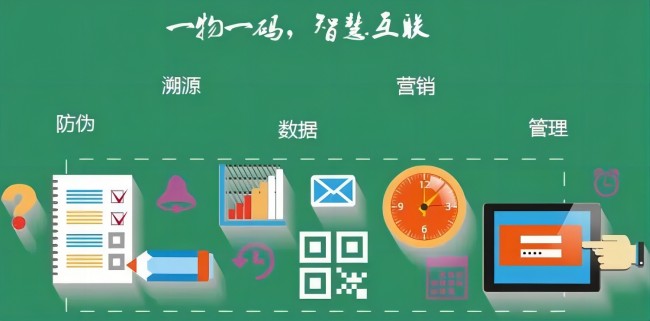
In today's pet food industry, the implementation of one thing at a time is gradually becoming a trend. Through one-object-one-code technology, companies can assign unique QR codes to each product, thereby providing consumers with more convenience and value. This article will discuss the implementation of one thing and one code in the pet food industry, and how to achieve small-scale operations through omni-channel drainage, information collection, authentic verification, rewards and incentives, recommendation forwarding, and private domain traffic access.
1. Omni-channel drainage
For omni-channel drainage, the implementation of one thing and one code can bring more user traffic to enterprises. Consumers can scan the QR code on the product and pay attention to the company's Weixin Official Accounts or Mini programs, so as to learn more product information, participate in relevant activities, and understand the company's dynamics. This approach can help companies expand brand influence, increase user stickiness, and promote repurchase rates.
2. Information collection
Through one-object-one-code technology, companies can collect consumers 'personal information, such as names, contact information, purchase records, etc. This information can be used to analyze consumer behavior, optimize product strategies, and improve user experience. In addition, this information can also be used for marketing promotion, such as regularly pushing special offers or new product recommendations to increase user loyalty and satisfaction.
3. Genuine verification
The one-thing-one-code technology can also be used for authentic anti-counterfeiting verification to ensure that the pet food purchased by consumers is authentic. Consumers only need to scan the QR code on the product to understand the product's production date, origin, ingredients and other information, so that they can purchase with confidence. This approach can help companies improve their brand image, reduce consumers 'concerns about counterfeit and shoddy products, and thereby increase sales.
4. Rewards and incentives
Through one-thing-one-code reward incentives, consumers can get more discounts and gifts. For example, consumers can earn points every time they scan the QR code, which can be redeemed for gifts or coupons at the mall. This approach can encourage consumers to participate more in activities, increase interaction and stickiness, and thereby increase brand awareness.
5. Recommendation forwarding
The implementation of one object and one code can also realize the recommendation forwarding function and encourage consumers to invite more friends to participate in activities. Consumers can share event links or QR codes with friends and family by scanning the QR code on the product. This approach can help companies expand their social media influence, increase the number of users and sales.
6. Offline store operations
For offline stores, the implementation of one thing and one code can help stores operate better. After purchasing pet food, consumers only need to scan the QR code of the product and pay attention to the company's Weixin Official Accounts or Mini programs. They can enter personal information on the event page, scan the product password, participate in marketing activities and receive more rewards. This method can encourage consumers to go to stores to buy pet food and increase store sales and customer traffic.
7. Online e-commerce operations
For online e-commerce, the process for offline stores is basically the same. Enterprises can record customers 'purchase information to the One Things and One Code cloud platform, judge users' consumption habits and preferences based on big data models, and push preferential information or new product recommendations. At the same time, regular touch-ups are made in the WeChat personal center to remind users to purchase new products or preferential activities, thereby increasing the repurchase rate. In addition, through one-object-one-code technology, e-commerce can also provide users with a better shopping experience, such as scanning the QR code on the product to view product details, reviews, etc.