scpmkj@gmail.com
Get A Free Quote


 share
share
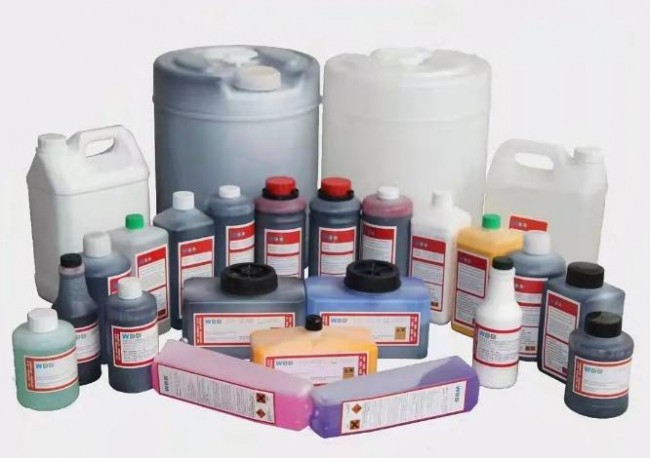
In the selection and daily application of ink for handheld inkjet printers, the ink drying speed is closely related to the type of ink cartridge. The drying speed of slow-drying ink cartridges is usually about 10 seconds, which is suitable for spray printing bulk fonts. However, it is easy to cause the surface of products with poor penetration performance to not dry for a long time, resulting in blurred spray printing effects; while the drying speed of quick-drying ink cartridges is usually around 5 seconds, which may affect the coding stability of the nozzle, and may not print clearly enough after a pause for a period of time. Therefore, it is crucial to choose the right ink and cartridge types for different product materials and printing needs.
How to solve the choice problem?
Ink drying speed and application stability are always a contradictory point. The key reason depends on the type of ink, and appropriate ink choices need to be made based on the characteristics of the user's product. For example, slow-drying inks are used for fixed cement pipes and plates that do not need to be moved in a short period of time, corrugated boxes, and plastic products with good permeability or matte finish.
For products of different materials, we need to choose the right ink type. For example, for smooth-faced paper and plastic products, we can choose quick-drying inks, which dry quickly, are not easy to stain, and can provide clear printing results. For the surface of plastic products with good permeability or matte finish, we can choose slow-drying inks, which dry slowly but is not easy to spread and can provide a fuller and clearer printing effect.
Pay attention to the choice of ink cartridge type. For different printing needs, we need to choose different types of ink cartridges. For example, for occasions that require a large amount of printing, we can choose large-capacity ink cartridges, which can reduce the number of replacement ink cartridges and improve printing efficiency. For occasions where ink cartridges need to be replaced frequently, we can choose small-capacity ink cartridges, which can reduce waste and be more environmentally friendly.
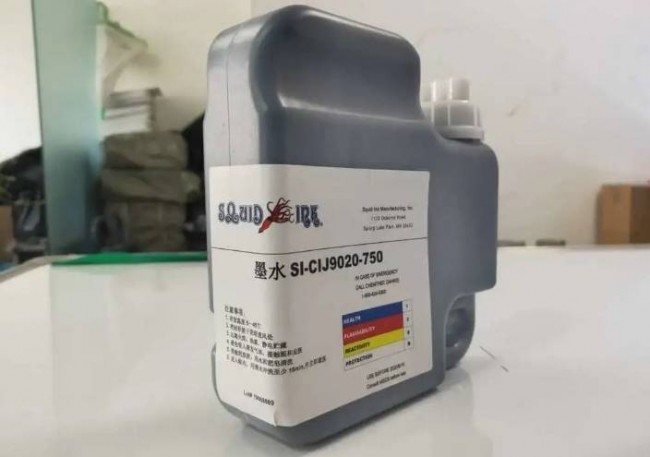
We also need to pay attention to the balance between ink drying speed and application stability. In practical applications, we can achieve this balance by adjusting printing parameters and cartridge types. You can appropriately reduce the printing speed or increase the printing time to allow the ink enough time to dry. At the same time, you can also choose the ink cartridge type that suits you to reduce problems such as ink leaks and ink cartridge clogging.
In short, in the selection and daily application of inks for handheld inkjet printers, we need to select the appropriate ink and cartridge types based on different materials, different printing needs, and the balance between ink drying speed and application stability. Through reasonable selection and use, printing efficiency is improved, waste is reduced, and the clarity and stability of the printing effect are ensured.