scpmkj@gmail.com
Get A Free Quote
 share
share
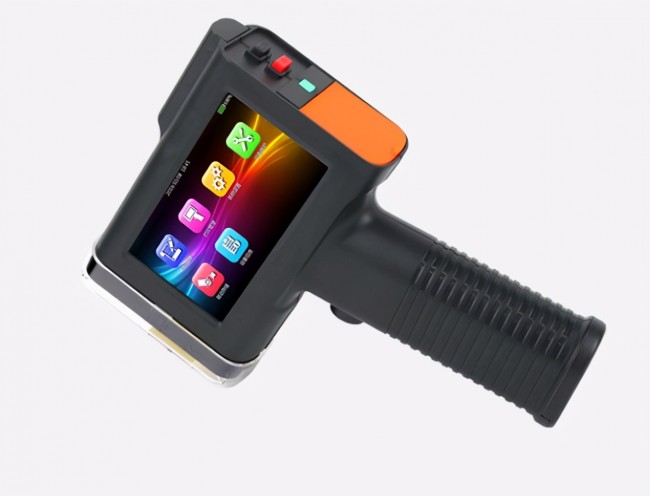
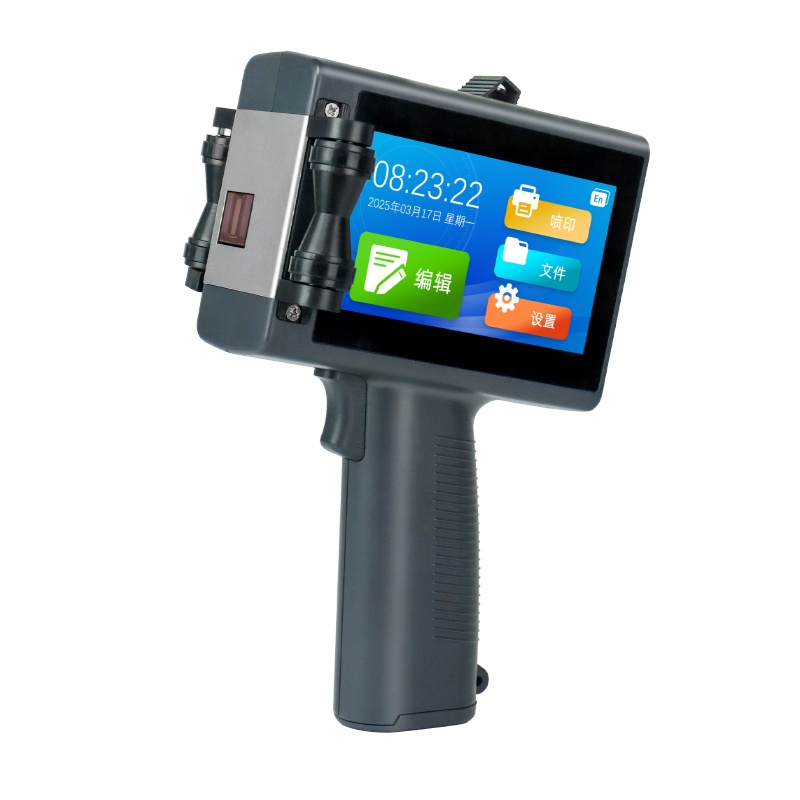
Under the trend of flexible, small batches, and multi-batch production in the packaging industry, the limitations of fixed coding equipment have become increasingly prominent and cannot adapt to diversified and fragmented coding needs. With its advantages of portability, flexibility, versatility, and simple operation, handheld inkjet printers have quickly spread to various packaging production scenarios. They have become the core equipment for enterprises to make up for identification shortcomings, improve production flexibility, and reduce operation and maintenance costs. They are widely used in various product labeling operations such as cartons, plastic bags, plastic bottles, metal packaging, and wooden packaging.
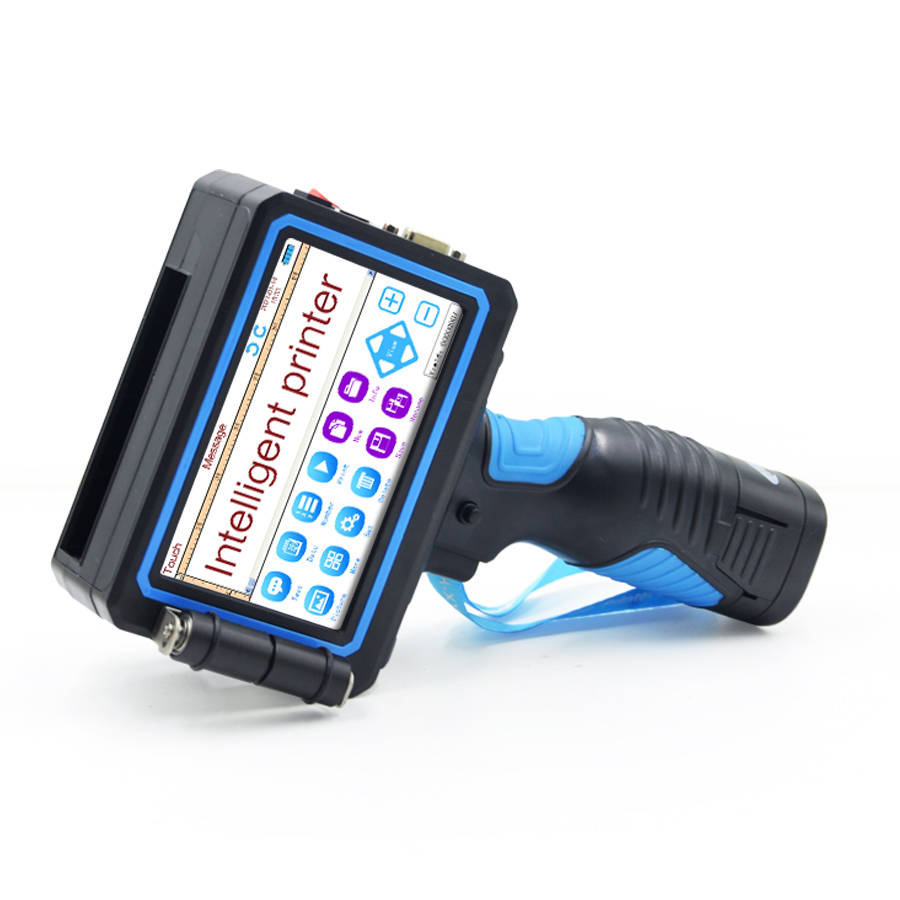
Different from traditional fixed coding equipment, the biggest core advantage of handheld inkjet printers is their high flexibility in use. The equipment body is light, portable and easy to operate. It does not require a fixed workstation, no need to build an assembly line, and is not limited by the site, location, and product form. Whether it is a regular plane, a curved surface, a convex and irregular packaging, a large turnover box, or a scattered inventory of products, you can move and code at any time. At the same time, it adapts to most packaging materials such as paper, cardboard, plastic, metal, and wood. It perfectly adapts to the production models of multiple categories and specifications in the packaging industry, and solves the problems of poor adaptability, inconvenient handling, and only fixed-point operation of traditional equipment.
Support variable information printing of all categories to meet personalized compliance production needs. Modern packaging not only needs to mark basic information such as production date, shelf life, and batch number, but also needs to print variable content such as QR codes, barcodes, brand LOGO, customized copy, and anti-counterfeiting codes according to marketing and traceability needs. The handheld inkjet printer can quickly switch the printing content, modify parameters with one click, without cumbersome debugging, easily realize single package code, variable batch, and personalized customization, accurately adapt traceability management, anti-cross-shipment control, and customization. Diversified scenarios such as packaging help companies meet the differentiated development needs of the market.
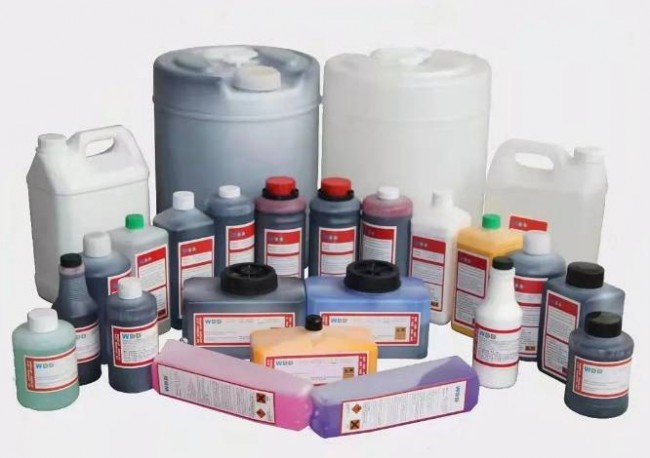
Non-contact jet printing + quick-drying ink ensures high-quality marking effects. The equipment adopts mature non-contact spray printing technology. The spray printing process does not touch the packaging surface, and will not crush or scratch sensitive materials such as exquisite gift boxes, soft packaging films, and fragile packaging, and retains the appearance and texture of the packaging to the greatest extent. Equipped with special quick-drying ink, it is suitable for high-low-speed operation scenarios. The spray printing will dry quickly in an instant, without blurring, decoloring, and adhesion. Even in fast-flowing production lines or stacked packaging scenarios, the writing can always be clear and the edges are regular and resistant to friction, greatly improving the overall packaging texture and product grade.
Intelligent systems adapt to traceability management and help enterprises standardize production. Nowadays, mainstream handheld inkjet printers can seamlessly connect with barcode recognition and database systems, and can generate QR codes and barcodes that correlate product information, batch data, and expiration date data. By scanning the code, product production, inventory, and circulation data can be quickly retrieved, realizing the traceability of the entire product process, helping enterprises improve the quality control system, simplify inventory management, and effectively avoid compliance risks caused by wrong codes and missing codes.
Overall, the handheld inkjet printer breaks the operating limitations of traditional inkjet printing equipment, and adapts to the full-scene coding needs of the packaging industry with the advantages of flexibility, portability, versatility, low cost and high efficiency. It can not only greatly save labor and equipment investment costs, improve production flexibility and operating efficiency, but also stably guarantee the quality of labeling. It is a just-needed equipment for packaging companies to reduce costs, increase efficiency, and upgrade flexible production. The future application prospects are very broad.