scpmkj@gmail.com
Get A Free Quote


 share
share
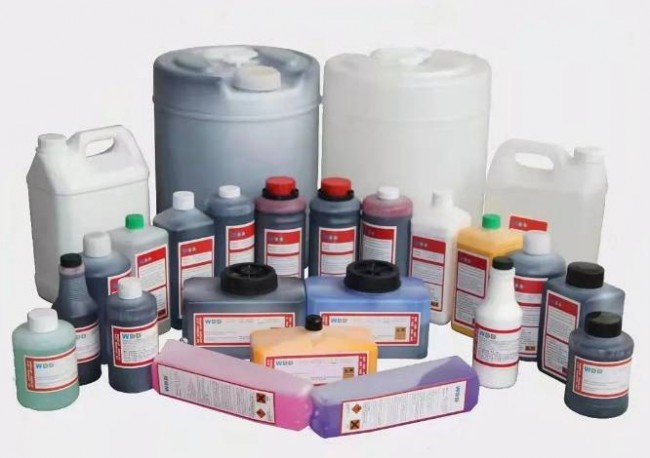
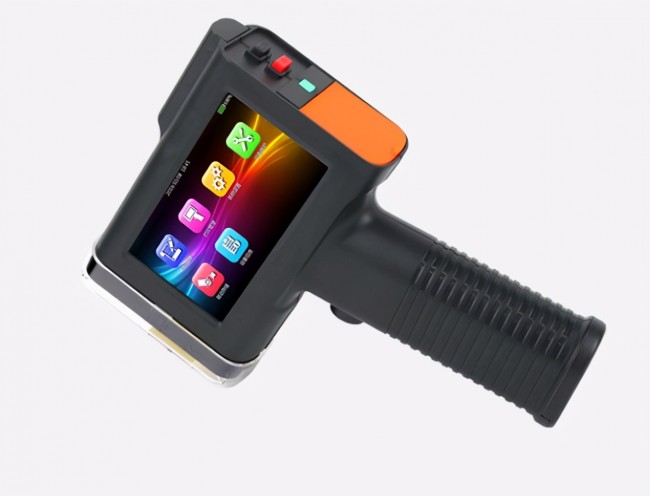
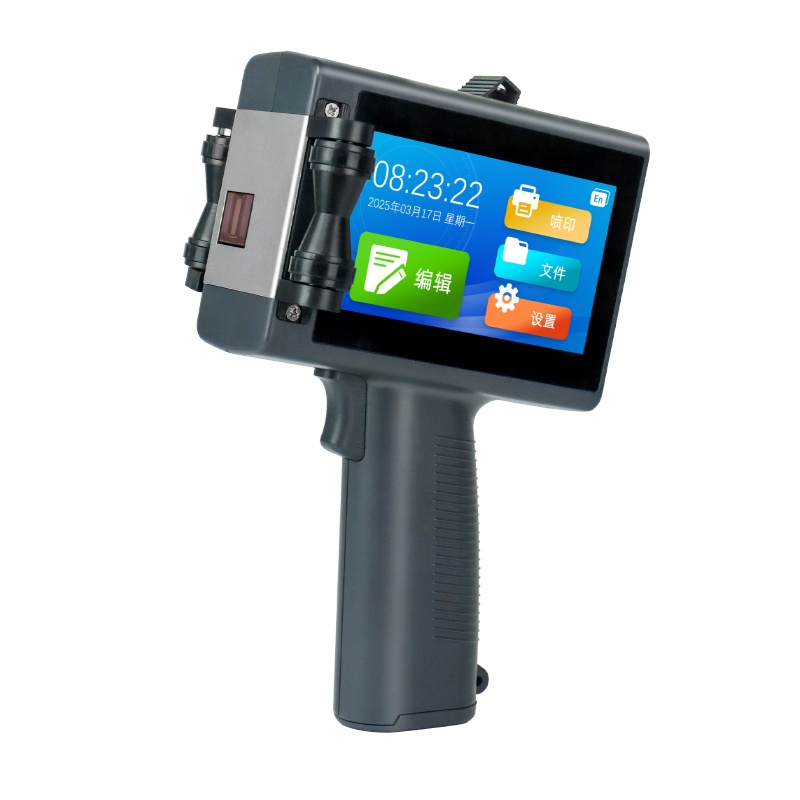
Ink and thinner need to be added during the use of the inkjet printer, but we also know that the ink of large character inkjet printers does not need to be added with thinner, and handheld inkjet printers, high-resolution inkjet printers, etc. do not need to be added with thinner. During the use process, the ink of small character inkjet printers needs to be added with thinner. Why is this? So here, Changsha inkjet printer manufacturers explain to us the knowledge of thinner (inkjet printer solvent).
Thinning agent is generally called inkjet printer solvent. As a small character inkjet printer, it is the basic solvent of ink. It plays a role in diluting the ink, which is to dilute the ink to a standardized viscosity set by the inkjet printer. This process is automatically completed by an automated program in the ink mixing cylinder. The small character inkjet printer uses a viscosity detector to determine whether to add ink or add thinner. As long as the viscosity of the ink printer is within the range set by the machine, the ink is charged and the flying interval of ink dots will not deviate, and the printing effect can be ensured.

The main reason why the inkjet printer adds thinner is that because the small-print printer supplies ink in succession, the ink with standardized viscosity comes into contact with the atmosphere during the circulation process, and the solvent in the ink continues to evaporate, resulting in a gradual increase in the viscosity of the ink. If the viscosity is too high, it will affect the charging of the ink dots, directly affect the flying interval of the ink dots, and there will be errors in the printing effect. Therefore, when the machine program detects that the ink viscosity is abnormal, the machine will automatically increase the thinner (inkjet printer solvent) to ensure that the ink in the mixing cylinder is maintained at a standardized viscosity value and ensure print quality.