scpmkj@gmail.com
Get A Free Quote
 share
share
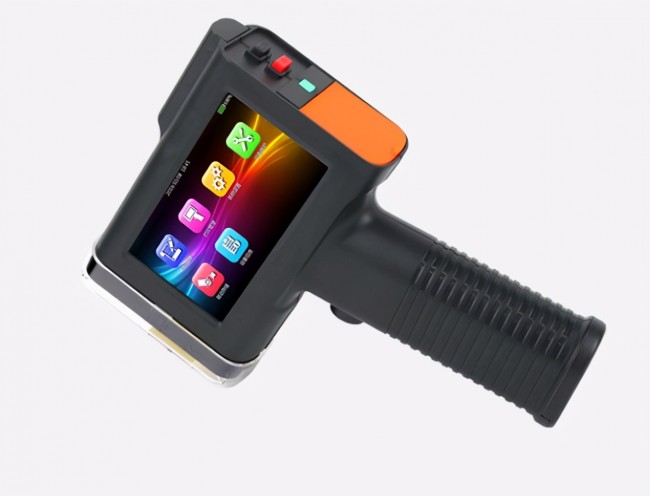
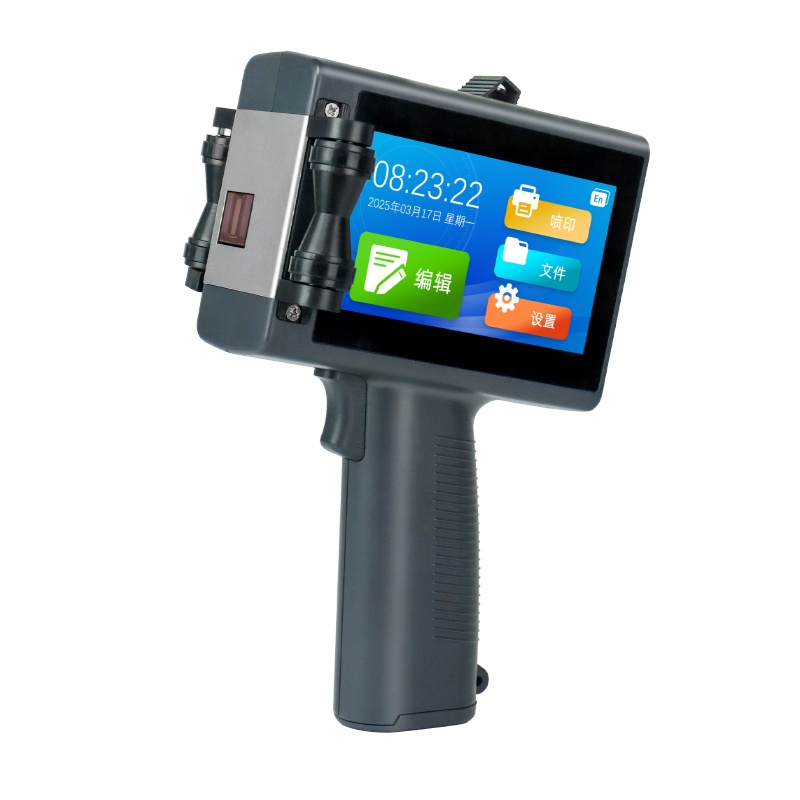
A handheld inkjet printer, also known as a portable inkjet printer, is a convenient marking device that can be carried around and sprayed as you take it. It has a light body and simple operation. It does not require fixed installation or connection to production lines. It is especially suitable for companies with flexible production speed requirements and diverse scenarios. Compared with online inkjet printers, handheld inkjet printers are more flexible, more space-saving, and lower threshold for use. They are ideal for workshops, warehouses, logistics, and on-site coding.
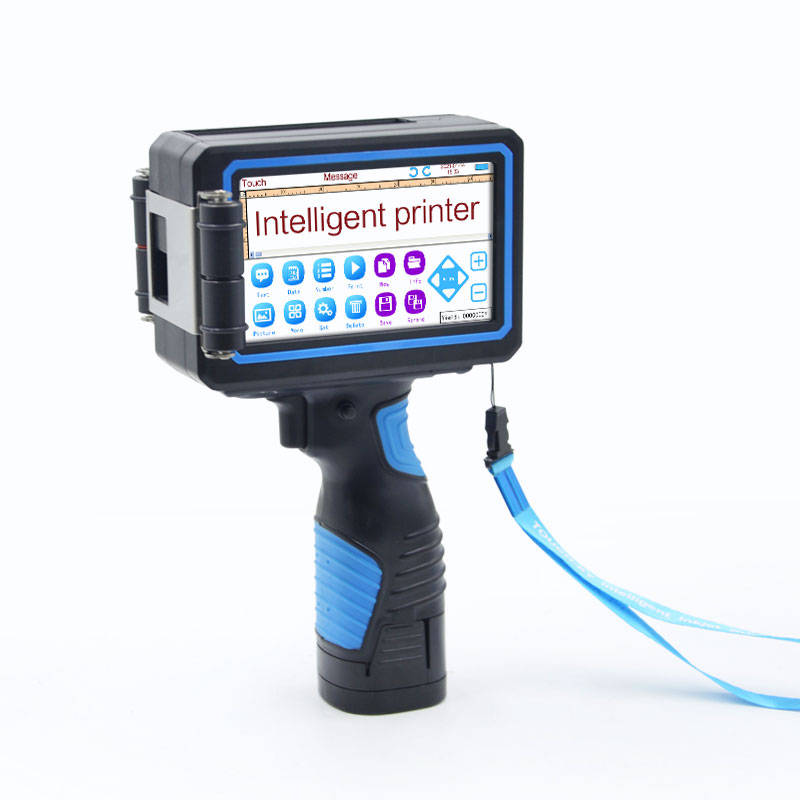
The equipment supports a variety of fonts such as solid characters, dot matrix characters, hollow characters, and colorful clouds. It can clearly spray print trademark LOGO, Chinese and English characters, numbers, barcodes, QR codes and other information. The spray printing height covers 1 - 57 mm. It is suitable for cartons, plastic, glass, metal, pipe, plate, leather and other materials, which are suitable for corresponding models. The writing is clear, the adhesion is strong, and it is not easy to fall off.
Today, handheld inkjet printers have been widely used in all walks of life and have become an indispensable tool in production and circulation. It can be seen everywhere in food, beverages, grain and oil, daily chemical, medicine, building materials, pipes, hardware, logistics and other scenes. By spraying key information such as production date, shelf life, expiration date, production batch number, origin, specifications, and materials, consumers can see at a glance, improve product credibility and purchase willingness, and meet industry supervision and product traceability needs.
In the pursuit of efficient production, handheld inkjet printers bring significant value to enterprises: they can not only quickly identify product information and achieve differentiated brand differentiation, but also replace manual handwriting, greatly improving packaging efficiency, reducing error rates, and saving labor costs. From the traditional beverage, mineral water, and non-staple food industries to today's fields of wire and cable, building materials, batteries, cartons, woven bags, gypsum board, aluminum profiles, etc., the scope of application continues to expand, and market demand grows steadily.
In addition to basic information identification, the handheld inkjet printer also has powerful anti-counterfeiting, anti-smuggling, and quality traceability functions. It can print anti-counterfeiting codes, factory names, specifications, batch numbers and other information to help companies track flow directions, control channels, and curb counterfeiting. Especially in the food and pharmaceutical industries, clear and verifiable production dates and batch numbers make consumers more assured and brands more reliable.
It is light and easy to use, widely applicable, stable and durable, and has high cost performance. With its strong practicality, the handheld inkjet printer has become a right-hand assistant in various industries to reduce costs and increase efficiency, standardize management, and enhance brand image. It meets the needs of small batches, multiple varieties, and multiple scenarios. Mobile coding needs, one machine in hand, and you can code worry-free.