scpmkj@gmail.com
Get A Free Quote


 share
share
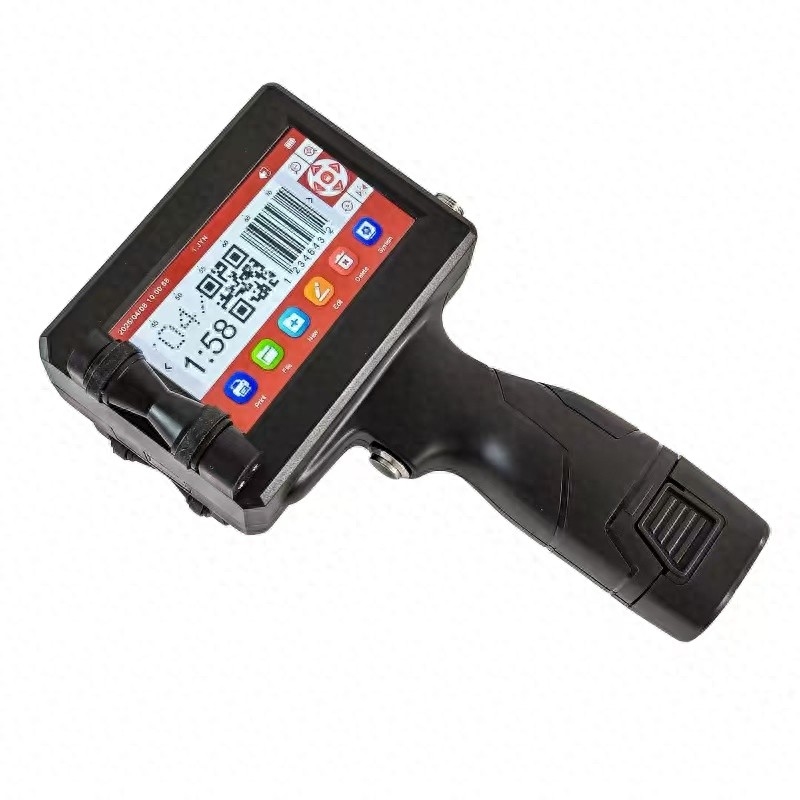
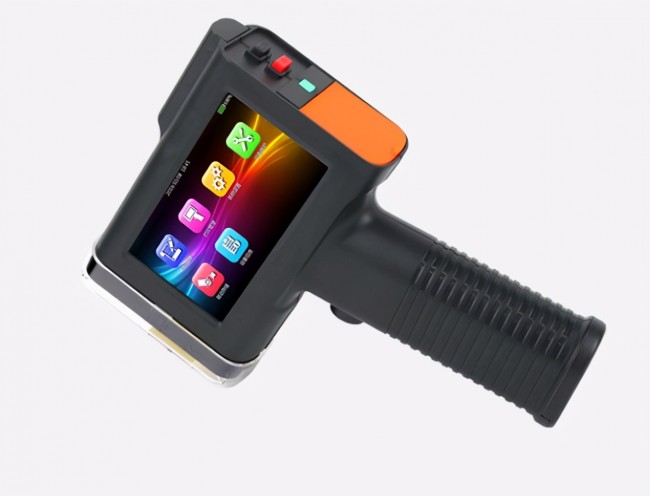
Many people see the production date and batch number on cartons, pipes, and plates with clear and flexible writing, and most of them are printed with handheld inkjet printers. It doesn't need to be connected to the assembly line, it can be used in your hand, and the principle is actually easy to understand.
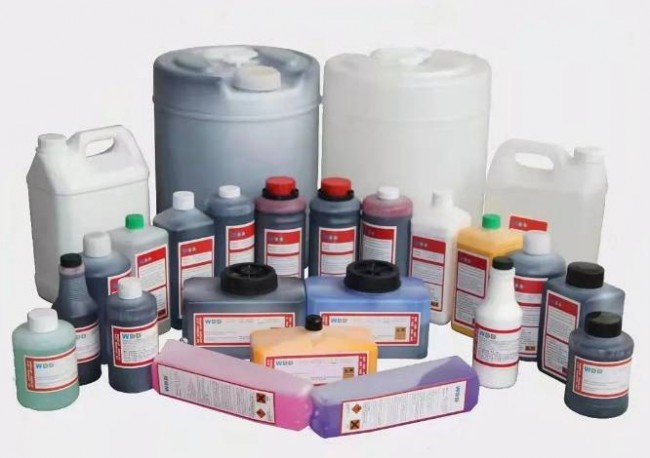
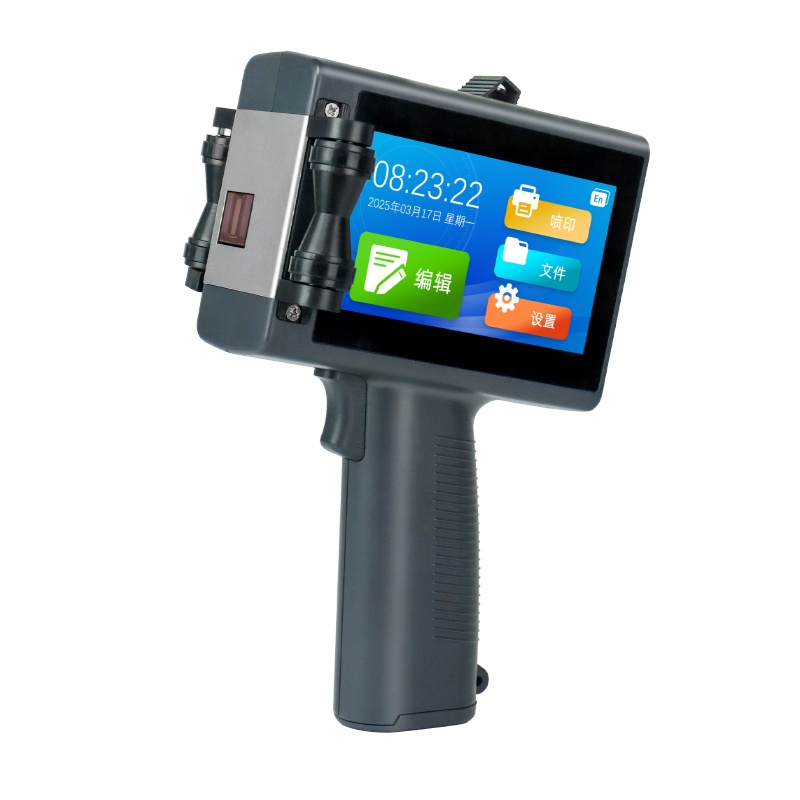
Handheld inkjet printers have similar ideas to large inkjet printers, but their structure is simpler. It is equipped with a special quick-drying ink cartridge inside, which relies on a micro pump or its own gravity to provide pressure to the ink, and does not require a complex high-pressure system. There is a row of tiny spray holes at the nozzle head. When working, the built-in chip will convert preset words, numbers, and QR codes into electrical signals.
When you hold the switch and slide it on the surface of the object at a constant speed, the machine will control each nozzle hole to open and close quickly, allowing tiny ink droplets to be accurately sprayed onto the product. Because the quick-drying ink is used, it can be dried instantly when sprayed out without smudging or scratching.
It does not need to contact the product surface and can be sprayed clearly from a distance of a few millimeters. The internal sensor can also automatically adjust the printing frequency based on the moving speed. If you walk faster, it will spray faster, and if you walk slowly, it will spray slowly to ensure that the font does not deform.
Simply put, the handheld inkjet printer is like a "smart inkjet seal". It relies on circuitry to control the ejection of ink droplets. It is light and flexible, and it can spray wherever needed. It is suitable for various irregular, large or inconvenient product logos.