scpmkj@gmail.com
Get A Free Quote
 share
share
Polypropylene pipes (PP pipes) are characterized by non-rust, wear resistance, and high temperature resistance, so they are widely used in chemical, petroleum, chlor-alkali, pharmaceutical, dye, pesticide, food, metallurgy, electroplating, environmental protection, water treatment and other industries.
For the above industries, the requirements for PP pipes are strict. Pipe companies need to identify relevant standard numbers, specifications, company information, etc. on the surface when producing PP pipes to facilitate the control and traceability of product quality.
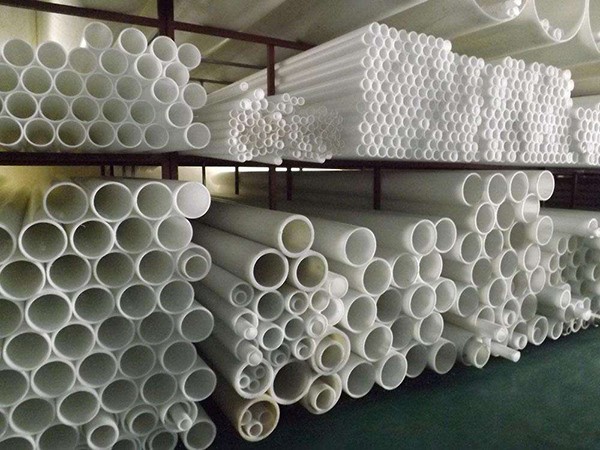
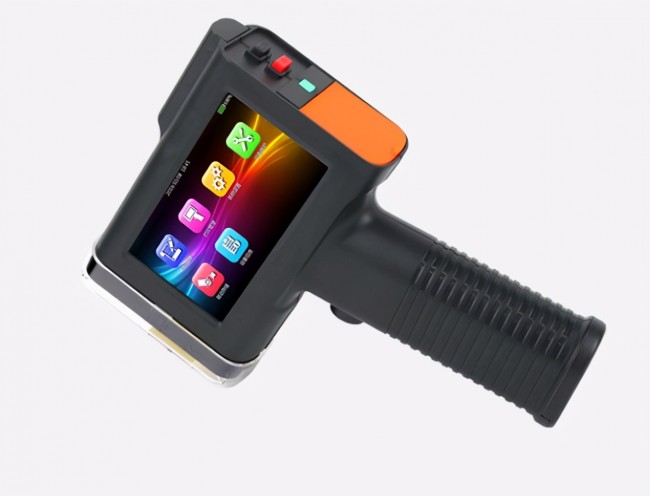
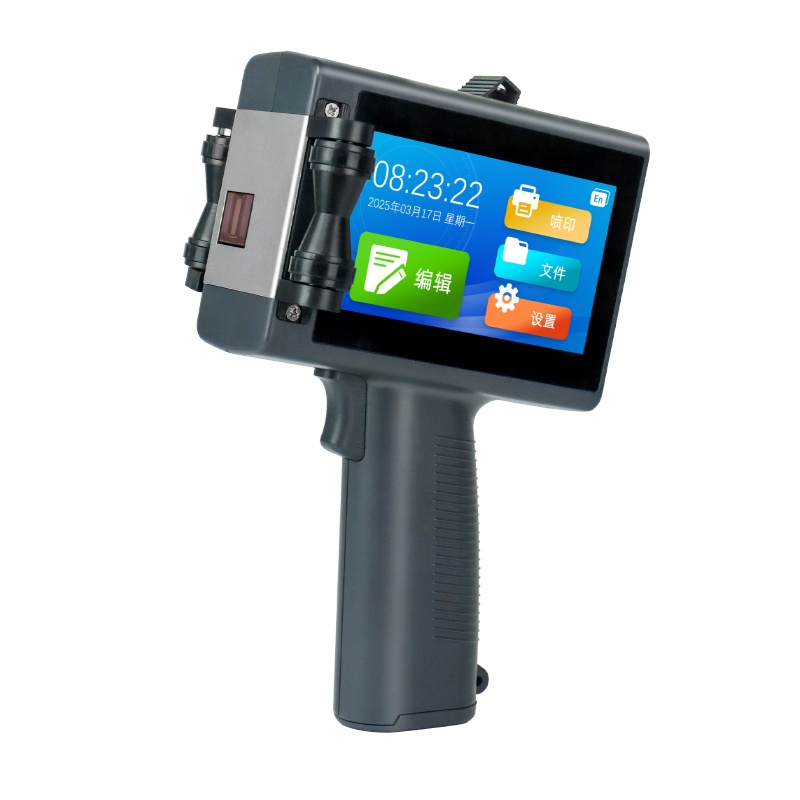
Polypropylene pipes (PP pipes) have a variety of pipes with different diameters. The EBS handheld inkjet printer can provide them with a fast and standardized marking scheme. Through the added bracket, they can be adjusted according to different pipe diameters, allowing each time. Print achieves the ideal effect.
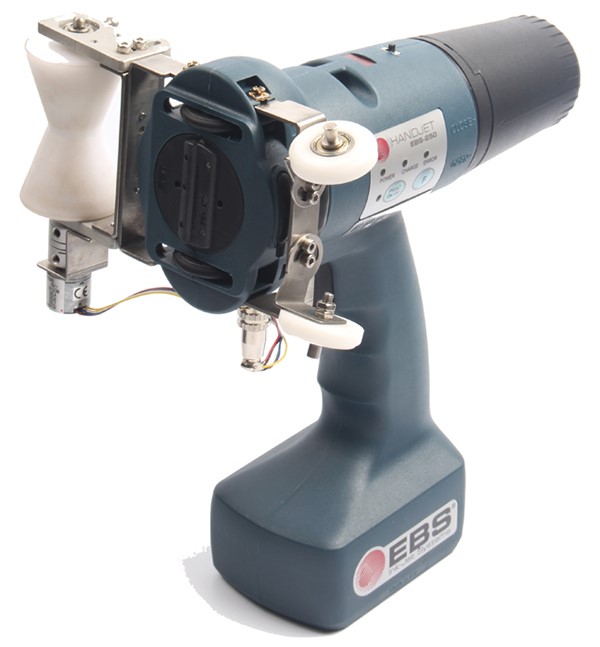
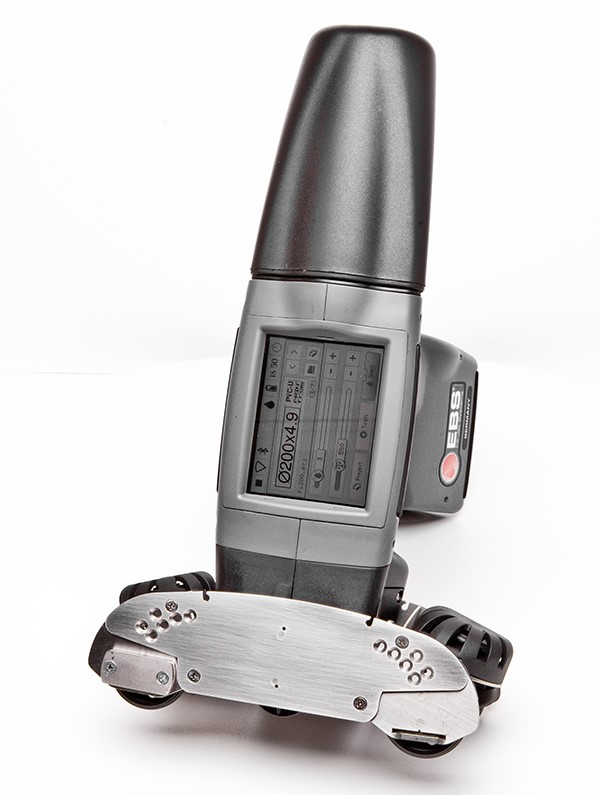
With the development of the Internet of Things, simple logos cannot meet the needs of pipe companies. The EBS intelligent handheld inkjet printer can spray print combinations of logos such as Chinese and English, numbers, QR codes, barcodes, graphic patterns, etc. on polypropylene pipes (PP pipes). The logo effect is neat and beautiful, which helps companies maintain their brand image, and strengthens the management of anti-counterfeiting and traceability of pipes.
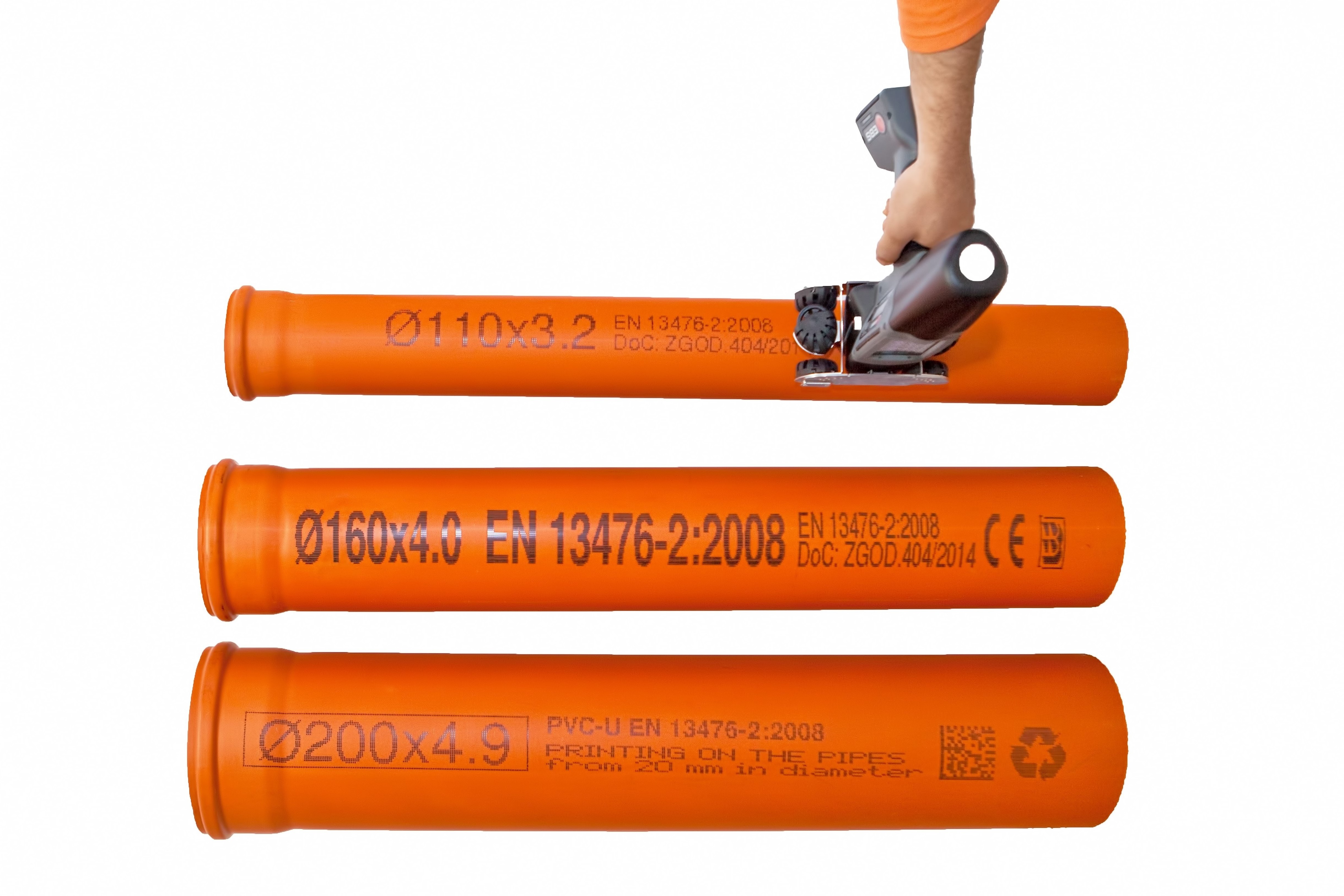
Since most polypropylene pipes (PP pipes) are placed outdoors, the EBS manual coder is exquisite and compact, making it easy to carry and complete marking work outdoors. The long-term battery life combined with simple ink cartridge replacement can be completed independently outdoors by one person, saving manpower. The innovative solenoid valve nozzle design and artificial ruby nozzle give EBS, a handheld inkjet printer, stability and protection in harsh environments, reducing nozzle clogging and wear. For ink, the EBS handheld inkjet printer has a special ink that allows the polypropylene tube (PP tube) to be exposed to the sun and rain for a long time outdoors, and the marked information remains clear and complete, will not shift, and will not affect the subsequent process.