scpmkj@gmail.com
Get A Free Quote
 share
share
The attention of handheld inkjet printers has been on the rise in recent years. With the increase in attention, many customers inexplicably believe that portable handheld inkjet printers are very perfect and are the replacement of traditional inkjet printers. So what is the reality? What are the shortcomings and advantages of the various handheld inkjet printers available on the market? Let us analyze this topic together today
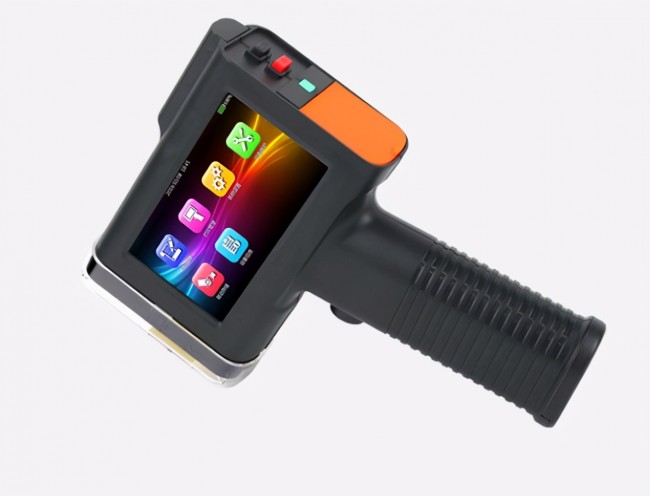
1. HP handheld inkjet printer. This handheld inkjet printer usually uses HP ink cartridges (TIJ thermal foaming inkjet technology). The advantage is that the price is very cheap, but the printing distance is very close, only 2-3 mm. If you encounter uneven surfaces, the printing effect will be greatly reduced, and the ink firmness is not high and the use cost is high.
2. Dot matrix handheld inkjet printer. This inkjet printer drop on demand inkjet printer is referred to as DOD. This kind of inkjet printer prints large fonts, the machine is easy to operate, and consumables are also cheap. However, the appearance of dot matrix fonts is not as beautiful as the printed fonts. The number of lines to be printed is limited to 4 lines at most. The ink is volatile and the application area is narrow.
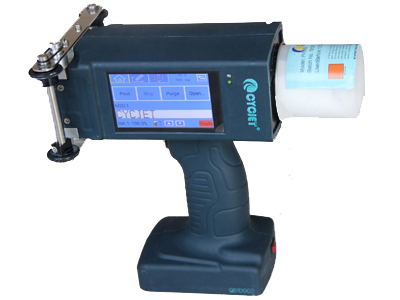
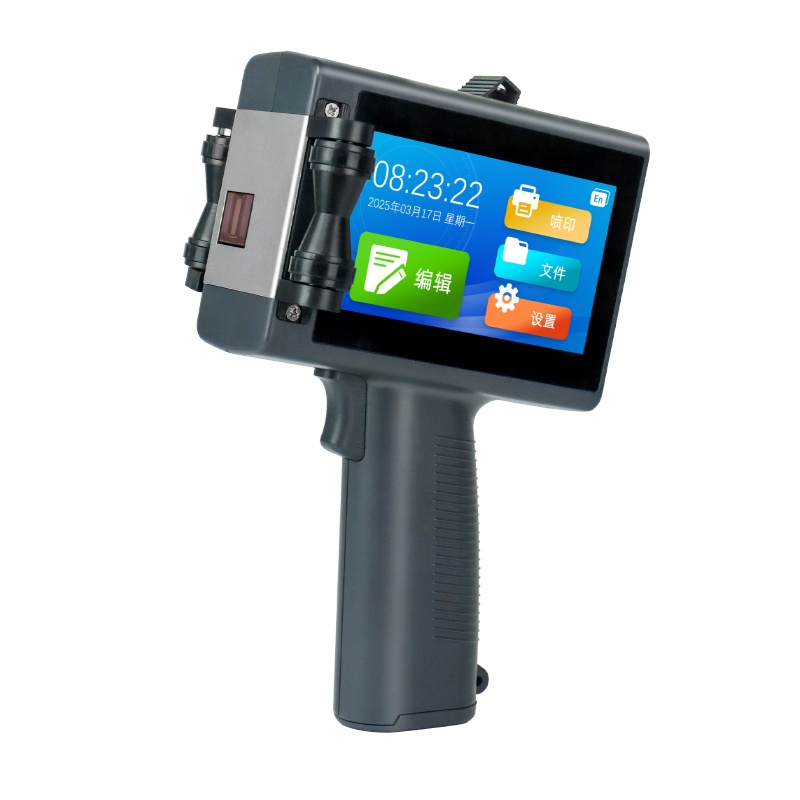
3. High-resolution UV handheld inkjet printer, this inkjet printer high-definition inkjet printer is referred to as piezoelectric PIJ. The spray printing technology used by the high-resolution handheld inkjet printer is not a dot matrix character group (stroke type), but the font is completely printed. Especially UV ink is used. UV ink is a new type of environmentally friendly ink. This ink requires enough energy ultraviolet radiation during the curing process. After the ink is cured, solid ink droplets will be formed on the surface of the material. This ink has good adhesion and expression on the surface of the material, and it will never be cleared by other solutions. It is also an option for more customers now.
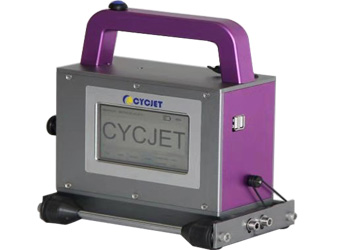
With the upgrading of handheld inkjet printing equipment, analysis and comparison are carried out based on the material of the customer's product itself, and the selection is more in line with the customer's product attributes, such as material, shape, size, size and other physical characteristics as well as customer requirements for identification, such as alcohol resistance, corrosion resistance, penetration oil, high adhesion, etc. The analysis of different requirements has become the core element in selecting and using identification equipment in the future.
After the above analysis, it is not difficult to see that if you want to buy a inkjet printer, you cannot just look at the price and effect. You need to conduct on-site inspections and real code assignment tests to understand the product attributes and make more considerations.