scpmkj@gmail.com
Get A Free Quote


 share
share
With the continuous development of the market economy, consumers are increasingly demanding product quality and safety. As an important technical means, anti-counterfeiting production line integration is of significant value in improving product safety, enhancing brand value and market competitiveness, and combating counterfeit and shoddy products. This article will discuss in depth the value of anti-counterfeiting production line integration and how to achieve brand value improvement and market competitiveness development through this technical means.
1. Improve product safety
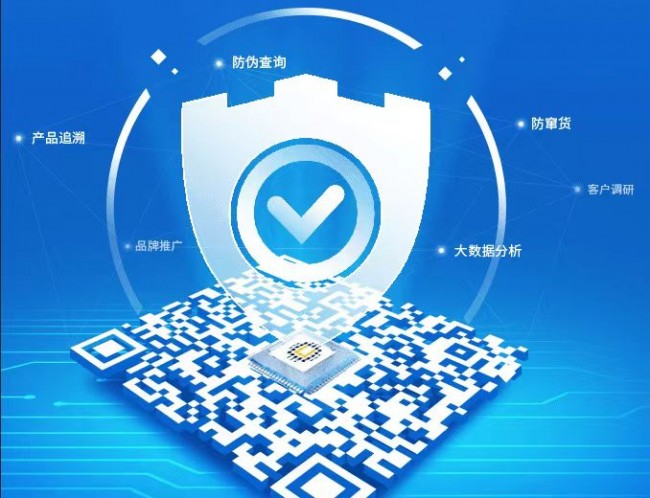
The application of anti-counterfeiting production line integrated technology can significantly improve product security, thereby providing consumers with a more secure purchasing experience. By adopting advanced anti-counterfeiting technologies, such as RFID, QR codes, laser engraving, etc., the anti-counterfeiting production line integration can provide a unique anti-counterfeiting mark for each product to achieve product tracking and traceability. In this way, consumers can easily identify the authenticity of products by scanning QR codes or RFID tags, which greatly improves product security. In addition, the integration of anti-counterfeiting production lines can effectively prevent products from being copied and counterfeit, thereby reducing the appearance of counterfeit and shoddy products on the market and maintaining fair competition in the market. This is of great significance for improving brand image and building consumer confidence, and helps improve the market competitiveness of products.
2. Enhance brand value and market competitiveness
The integrated application of anti-counterfeiting production lines can enhance brand value and market competitiveness, mainly reflected in the following aspects:
1. Improve brand image: The integration of anti-counterfeiting production lines can provide brands with a credible and transparent traceability system, allowing consumers to trust more in the brand's product quality and brand image. At the same time, the implementation of anti-counterfeiting production line integration can also improve the credibility and reputation of the brand and lay a solid foundation for the long-term development of the brand.
2. Expand market share: Through the implementation of anti-counterfeiting production line integration, brands can improve product safety and market competitiveness, thereby expanding market share. In a highly competitive market environment, only by continuously improving product quality and safety can brands stand out in the competition and win the favor of more consumers.
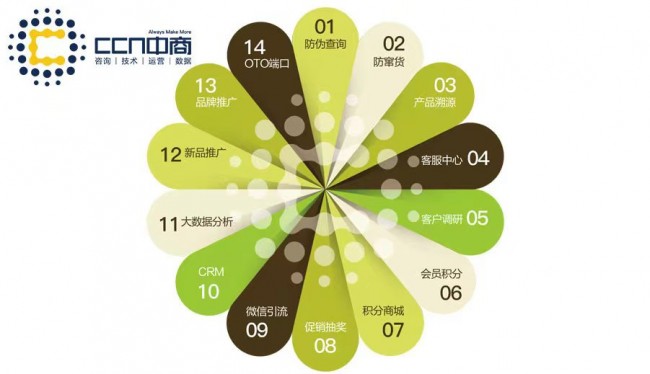
3. Achieve sustainable development: The implementation of anti-counterfeiting production line integration will contribute to the sustainable development of the brand and provide a strong guarantee for the long-term development of the brand. By continuously optimizing anti-counterfeiting technology, improving production efficiency, and reducing costs, the brand can achieve sustainable development and lay a solid foundation for future market competition.
3. Combating counterfeit and shoddy products
The implementation of anti-counterfeiting production line integration can effectively combat counterfeit and shoddy products and maintain market order and consumer rights. By establishing a sound traceability system and laws and regulations to combat counterfeiting, brands can strengthen their efforts to crack down on counterfeit products and safeguard fair competition in the market and the legitimate rights and interests of consumers. This not only helps the healthy development of the brand, but also helps maintain market stability and prosperity. In addition, the implementation of anti-counterfeiting production line integration can also promote the development of related industrial chains and bring new business opportunities and growth points to related enterprises. Through win-win cooperation, all companies in the industrial chain can jointly crack down on counterfeit and shoddy products and achieve common development.