scpmkj@gmail.com
Get A Free Quote


 share
share
Industrial production lines, as the "power source" of manufacturing, have always been the key to optimizing production and stabilizing supply. The widespread application of artificial intelligence makes the operation of industrial production lines more scientific and efficient. Overall, the role of artificial intelligence in industrial production lines is mainly reflected in hardware equipment and software systems. It is the effective coordination and operation of technology, systems, and equipment that builds the systematization and automation of industrial production.
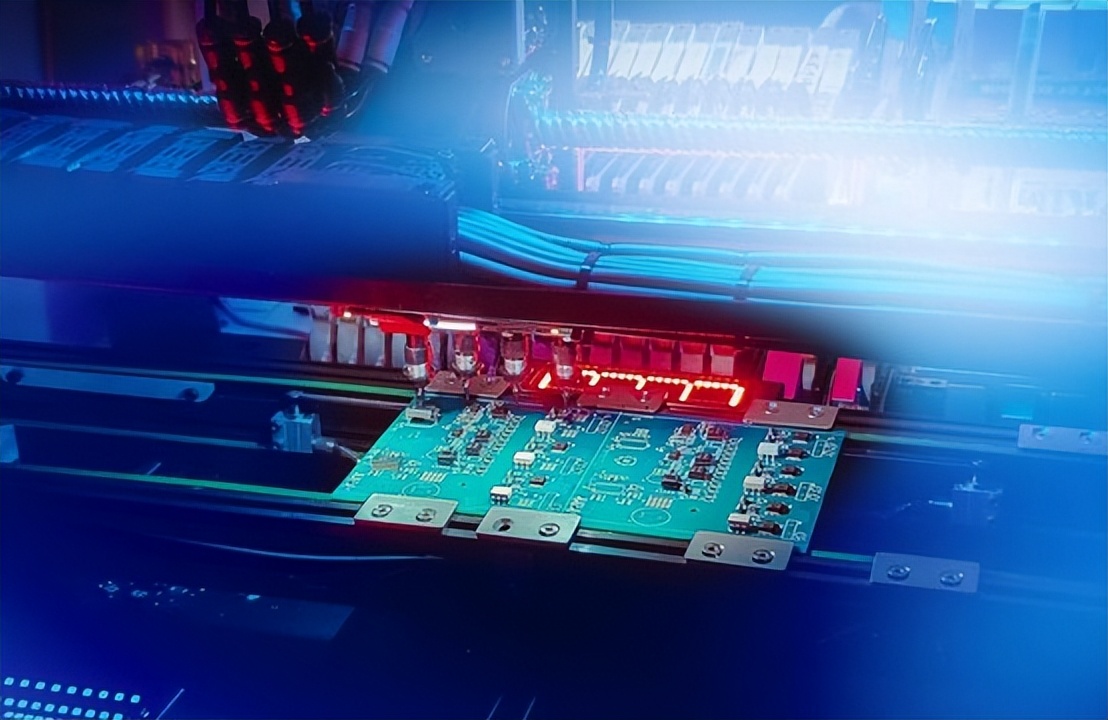
Nowadays, industrial manufacturing has been dominated by human-machine collaboration. The method of relying solely on human power for product manufacturing has been gradually eliminated, and the application of robots, unmanned vehicles, etc. has also begun to gradually become popular. Imagine if the manufacturing industry powered by artificial intelligence still relies on manpower for simple product manufacturing, then the role of artificial intelligence as a "surprise soldier" will not be fully exerted, and it will be tantamount to overkill. In other words, the promotion and popularization of artificial intelligence in the manufacturing industry has a very significant impact on the development of the manufacturing industry, that is, the accelerated adoption of intelligent machine vision equipment and the implementation of new management and operation concepts.
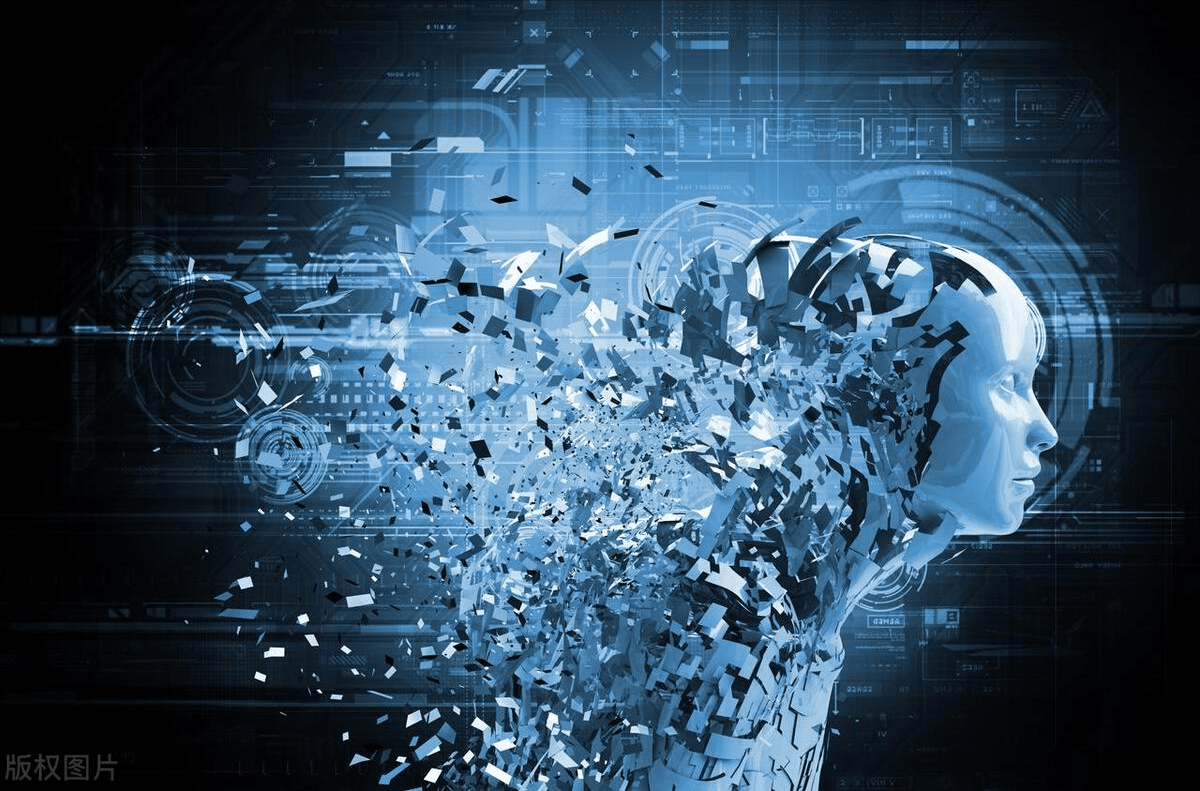
At present, product manufacturing in industrial parks in many areas of my country still relies mainly on a large number of workers, but the trend of using intelligent machinery such as sorting robots, packaging robots, unmanned delivery vehicles, and smart forklifts for product manufacturing and production has gradually emerged. To achieve the goal of a mature manufacturing model, we also need people who have mastered cutting-edge technology and various high-quality production equipment. Advanced semiconductor manufacturing and packaging, represented by chips, has always been regarded as a "battleground for military strategists" for high-end manufacturing and has become a strategic, basic and leading industry for national economic and social development.
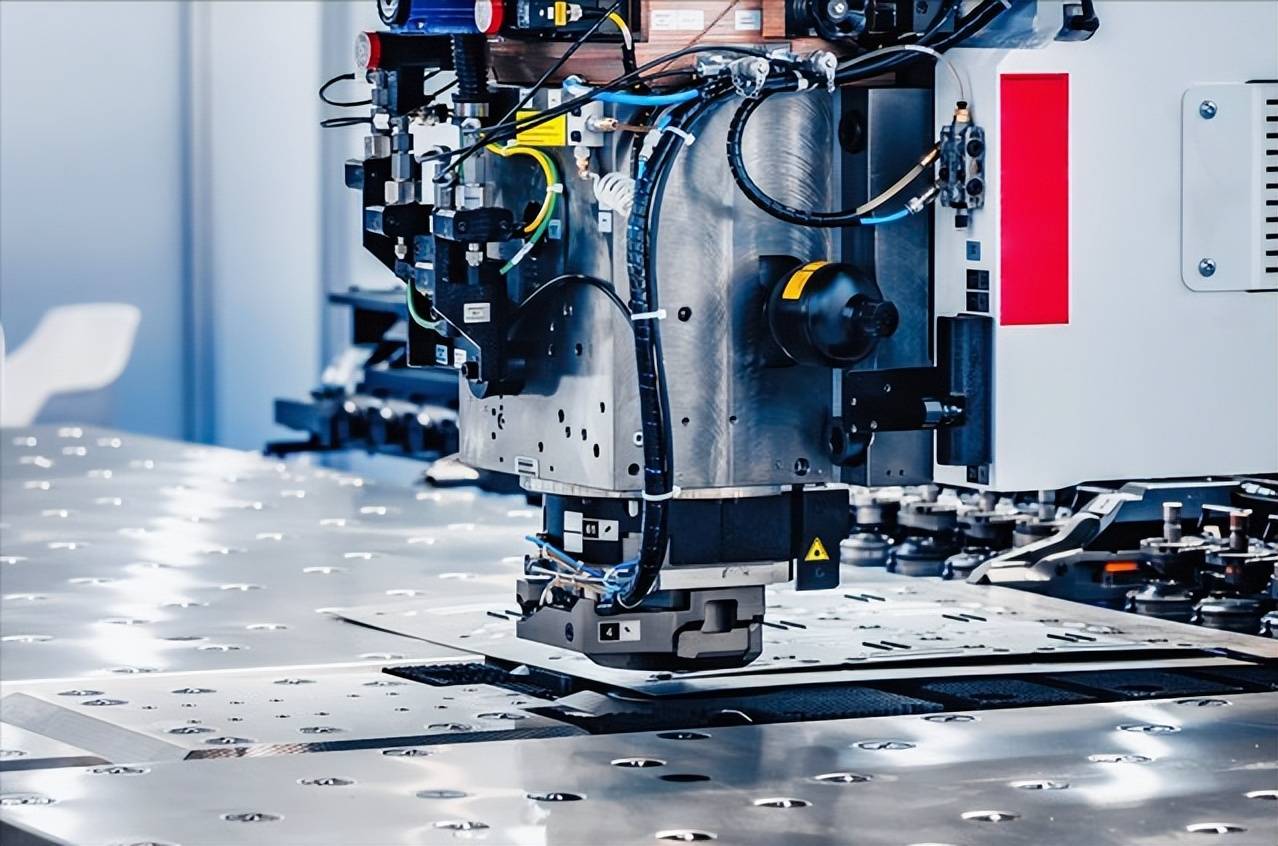
In the field of artificial intelligence, we should increase scientific research efforts, especially in aspects such as deep learning and intelligent industrial control systems. With deep learning algorithms as the core, we will strengthen its application in manufacturing-related scenarios so that it can be of great value. Artificial intelligence technology innovation has entered a "no man's land". On the one hand, it can prove a country's "hard power" in core technology research. On the other hand, it also means that technology is in the process of updating and iteration, and there is room for improvement in the future.
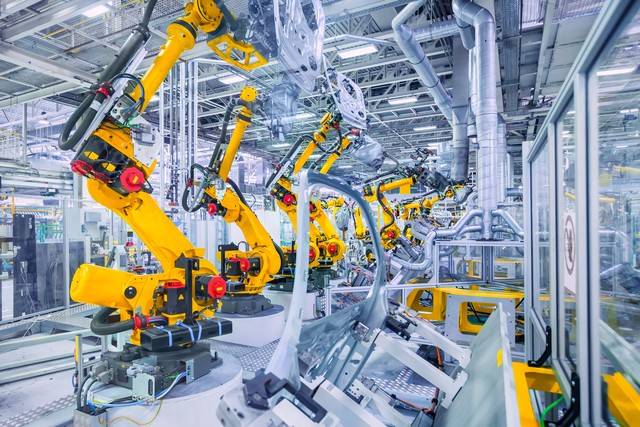
Globally, there are only a handful of countries like China in the world that have sufficient labor force, rich industrial categories, and basically integrated industrial design and manufacturing. Based on various advantages, many foreign companies choose to come to China to invest, set up factories and manufacture products. In the future, competition and cooperation between local companies and foreign companies will take turns in this manufacturing position of China. Imaginary Technology believes that rejecting simple manufacturing does not reflect a country's "creativity" from low-level manufacturing to high-end and internationalization. What simple manufacturing requires is intelligent empowerment. On the journey towards a manufacturing power, we not only need to have firm beliefs and determination to win, but also need to work hard in formulating industry rules, cultivating professional talents, researching core technologies, and guiding industrial policies.