scpmkj@gmail.com
Get A Free Quote
 share
share
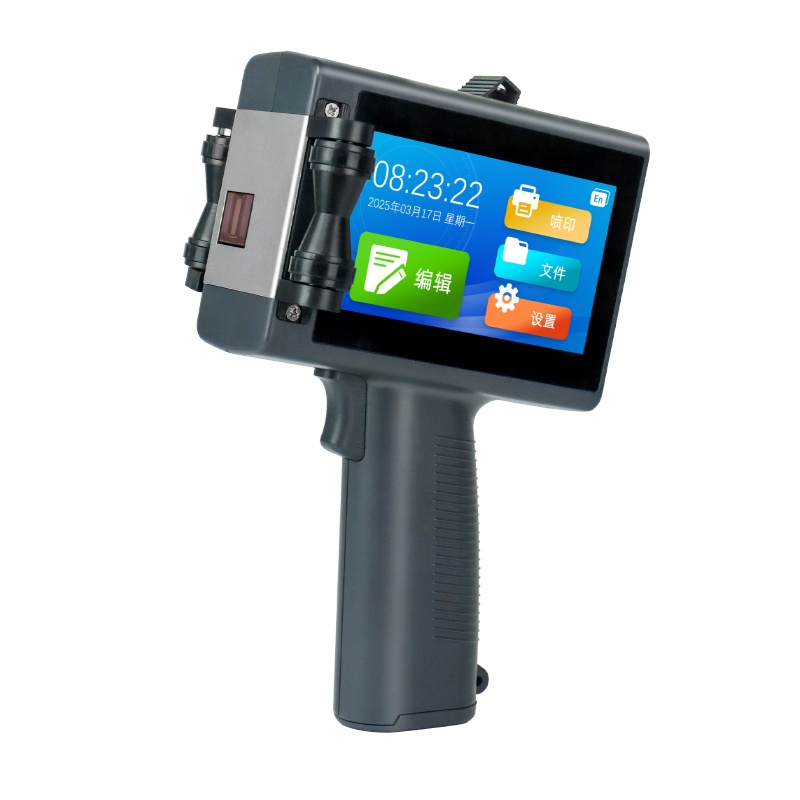
The application of inkjet printers in the meat industry is very extensive and crucial, playing an indispensable role in ensuring food safety, improving supply chain efficiency, and meeting regulatory requirements. The following are several main application methods of inkjet printers in the meat industry and the value they bring:
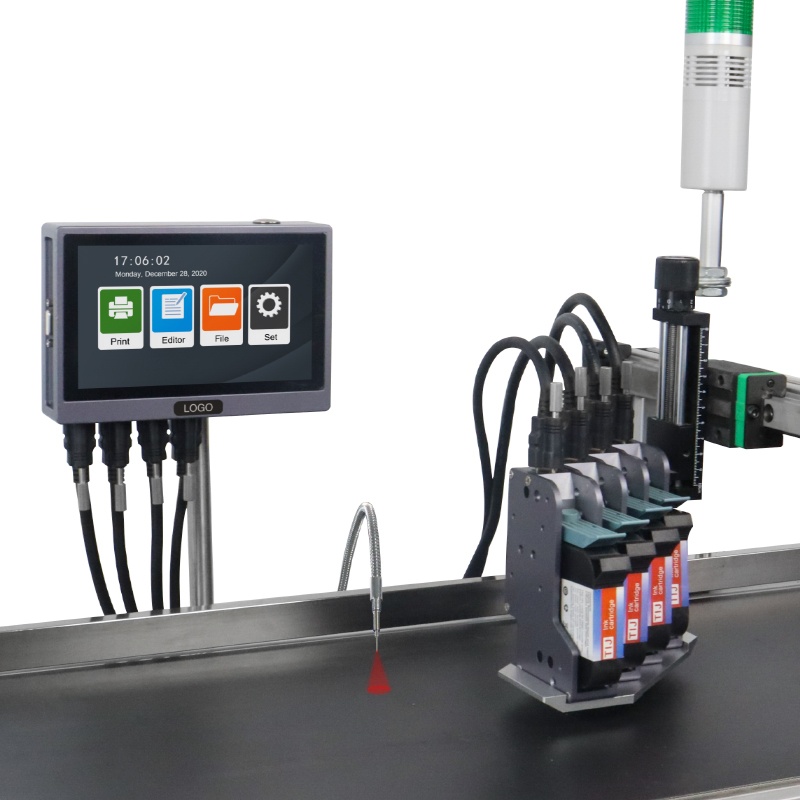
Application of inkjet printers in the meat industry
The inkjet printer can quickly and accurately print various information on meat packaging, including production date, batch number, shelf life, country of origin, product type, etc., which are the basis of the food safety traceability system. Through such labeling, the flow of meat products throughout the entire supply chain becomes clear and visible. Once a food safety incident occurs, the source of the problem can be quickly traced, measures can be taken in a timely manner, and losses can be reduced.
Worldwide, the meat industry is subject to strict legal regulations that require all marketed products to have clear labeling information. The inkjet printer can customize printing formats according to the regulations of different countries and regions, ensuring product compliance and avoiding fines or product recalls caused by improper labeling. This is particularly important for multinational meat producers.
High quality coding not only reflects the professional level of the enterprise, but also helps shape the brand image. Clear and durable printed patterns can enhance consumers' awareness and trust in the brand. In addition, some meat companies also add promotional information, nutritional lists, or cooking advice on packaging to attract consumers' attention and promote product sales.
Modern inkjet printers are usually equipped with multifunctional interface functions, which can seamlessly connect with other equipment on the production line to achieve automated assembly line operations. For example, synchronizing with the weighing system and dynamically adjusting the printing content based on the actual weight; Or it can be linked with the database to retrieve product information as needed for batch printing. This not only saves labor costs, but also greatly improves production efficiency and accuracy.
Using a inkjet printer instead of traditional label pasting can reduce material waste and lower production costs to a certain extent. Especially for large-scale meat production enterprises, in the long run, this change can bring considerable economic benefits. At the same time, inkjet or low VOC (volatile organic compound) printing technology is constantly developing, which is more in line with the trend of green manufacturing and conducive to companies fulfilling their social responsibilities.
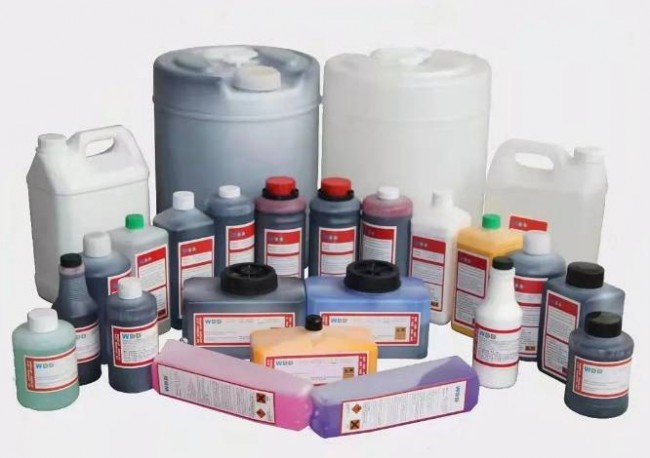
In response to moisture, freezing, and other conditions in meat processing environments, specialized inkjet ink designs have good abrasion resistance and wear resistance. Even in extreme environments, they can maintain clarity and ensure long-term retention of information, which is crucial for ensuring the integrity of food safety information.
In summary, the widespread application of inkjet printers in the meat industry reflects their multiple values in improving food safety standards, complying with regulations, optimizing production processes, and enhancing brand image. With the advancement of technology and changes in market demand, the functions of inkjet printers will continue to be upgraded to better serve various links in the meat industry chain.