scpmkj@gmail.com
Get A Free Quote


 share
share
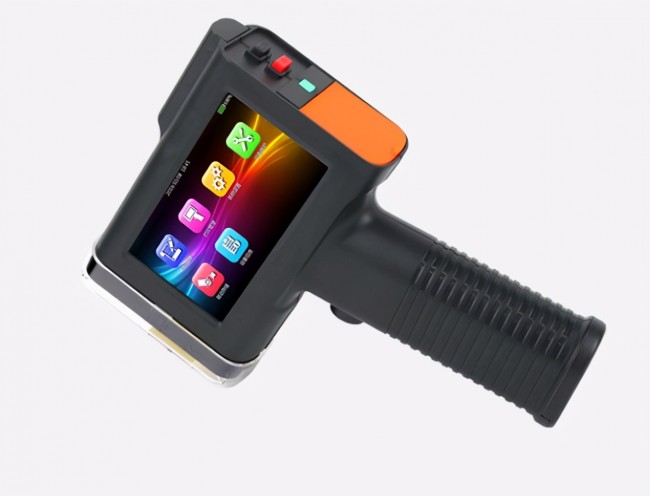
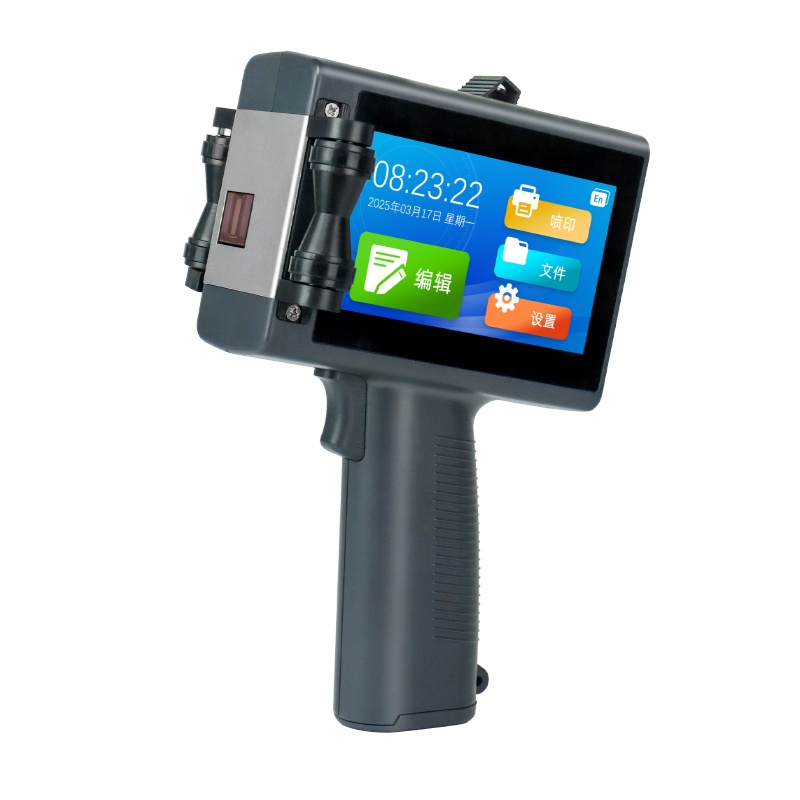
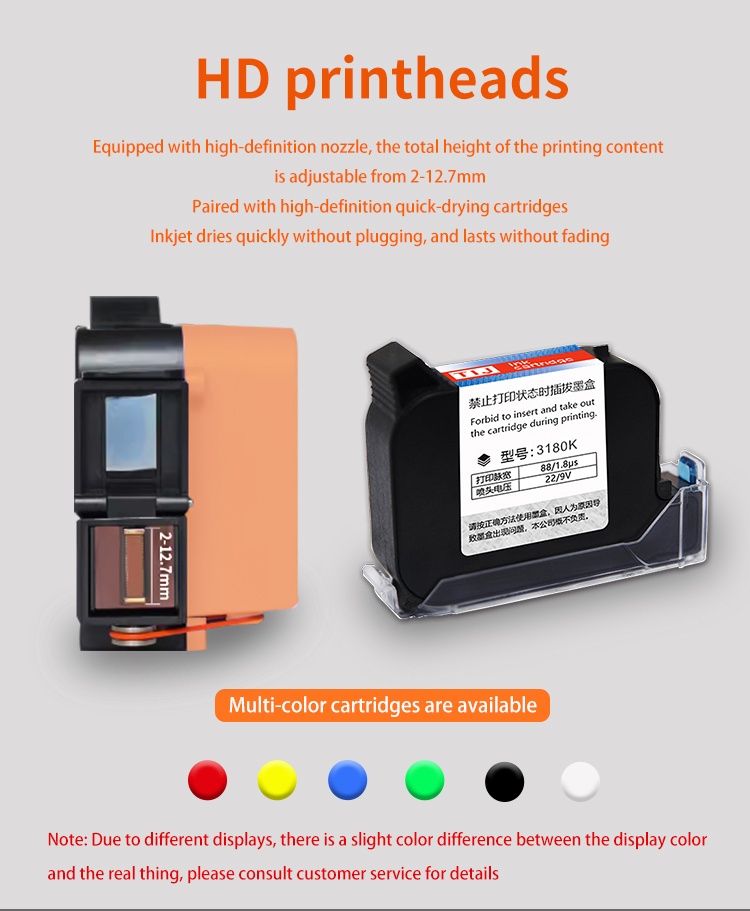
With the acceleration of intelligent transformation in manufacturing and the comprehensive implementation of product traceability system, mini intelligent inkjet printers are reshaping the market pattern of identification equipment with "compact body+powerful performance". This palm sized smart device weighs only as much as a mobile phone, but integrates handheld and automatic dual-mode operation, suitable for multi material printing needs such as bottle surface, metal, plastic, etc. It can accurately print key information such as production date, batch number, QR code, etc. With a high-resolution resolution of 600dpi and fast drying environmentally friendly ink, it completely solves the pain points of complex operation and poor adaptability of traditional identification devices.
Its market growth momentum is strong. Data shows that the market size of portable inkjet printers in China has reached 3.86 billion yuan in 2023, and is expected to exceed 6.2 billion yuan by 2030. The food and beverage, pharmaceutical, electronic components and other fields contribute to core demand, among which the pharmaceutical industry has seen an annual increase of 18% due to the upgrading of traceability standards, and the procurement volume of emerging fields such as new energy batteries and photovoltaic modules has increased by over 40% year-on-year. Domestic technological breakthroughs have become an important support, with the localization rate of core components such as piezoelectric ceramic nozzles increasing to 58%, reducing equipment costs by 23%. At the same time, 5G+AI technology empowers seamless integration between cloud data management and production lines, reducing operation and maintenance costs by 18%.
From the perspective of application scenarios, mini intelligent inkjet printers not only meet the automation production line needs of large enterprises, but also become an "efficiency tool" for small and medium-sized enterprises, e-commerce warehousing, and individual merchants. The market share of cities below the third tier has exceeded 25% for the first time, and the growth rate of cross-border e-commerce channels is significant. Its modular design and long-range characteristics not only adapt to special environments such as -30 ℃ low temperature, but also meet the needs of customized labeling for small batches. It is promoting a new paradigm of product traceability from industry mandatory requirements to efficient management of the entire industry chain, and has become an important subdivision engine for the intelligent upgrading of Chinese manufacturing.