scpmkj@gmail.com
Get A Free Quote


 share
share
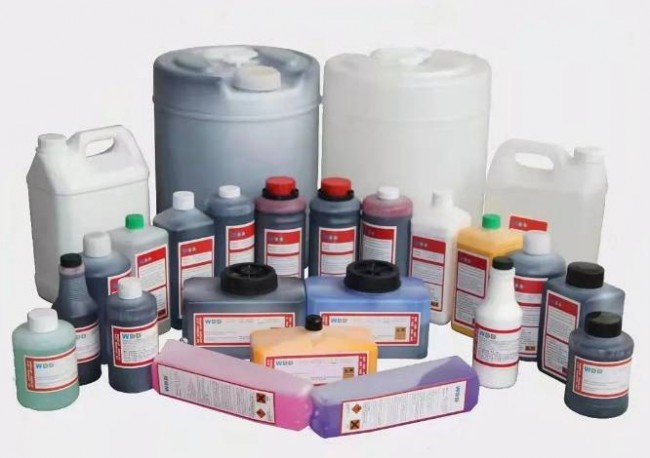
Most common inks are used in printing, and many people think that inks should not be dangerous goods.
The reason why inks are dangerous goods is mainly because they contain many flammable components, solvents such as toluene, xylene, butanone, etc. Therefore, ink belongs to the third category of dangerous goods, flammable liquids.
Transportation requirements:
1. Since ink is dangerous goods, individuals cannot transport it. General logistics companies with qualification certificates cannot transport it. Ink transportation companies must have dangerous goods transportation qualifications, and relevant personnel must have employee qualifications certificates.
2. Ink is a flammable substance, and the solvent in it is easily volatile. Therefore, during transportation, attention should be paid to the ventilation of the carriage to avoid transportation in high temperature weather. Vehicles require sunshade facilities and stay away from fire sources and heat sources.
3. Transport personnel are not allowed to carry fire or smoke near vehicles.
4. Ink should be placed neatly and in a fixed position during transportation to prevent collision and ink leakage.
If the ink transportation needs to be transported as much as possible by professional dangerous goods transportation companies, there are sound transportation regulations, and safety can be guaranteed.
Attachment: Brief introduction to the application of color-changing inks:
1. Product introduction:
1. Basic colors 7 colors: red, purple, blue, sky blue, green, orange, yellow
2. Photochromic ink is colorless indoors and displays color when it senses ultraviolet light outdoors.
3. Photochromic inks can be used in screen printing. Most of the product designs are based on color changes indoors and outdoors. Most of them are used in ultraviolet light intensity testing series products, and can also be used as anti-counterfeiting design.
2. Ink application:
1. Drying method: (self-drying, baking, UV curing), can be diluted with the corresponding diluent when using. (Water-based inks can also be customized and diluted with water). It is recommended to use white or light white color for the printing background to increase the difference in color changes.
2. Screen selection: Select the mesh size between 150 and 200 meshes.
3. Applicable substrates: screen printing, offset printing, transfer, pad printing and spraying, etc.,(paper, cloth, metal glass, ceramics and plastic).
3. Precautions:
Storage: Photochromic inks should be stored hermetically in a closed, dry and dark place to avoid direct sunlight.
Toxicity and safety: Photochromic inks are slightly irritating to the skin and respiratory tract. They should be airtight during handling, and the environment during printing operations should be maintained with good ventilation. After the ink is completely dried, it will not have any peculiar smell or irritation and meets the safety toy and food packaging specifications.